Winter removals Harrow 2027 bad weather checklist
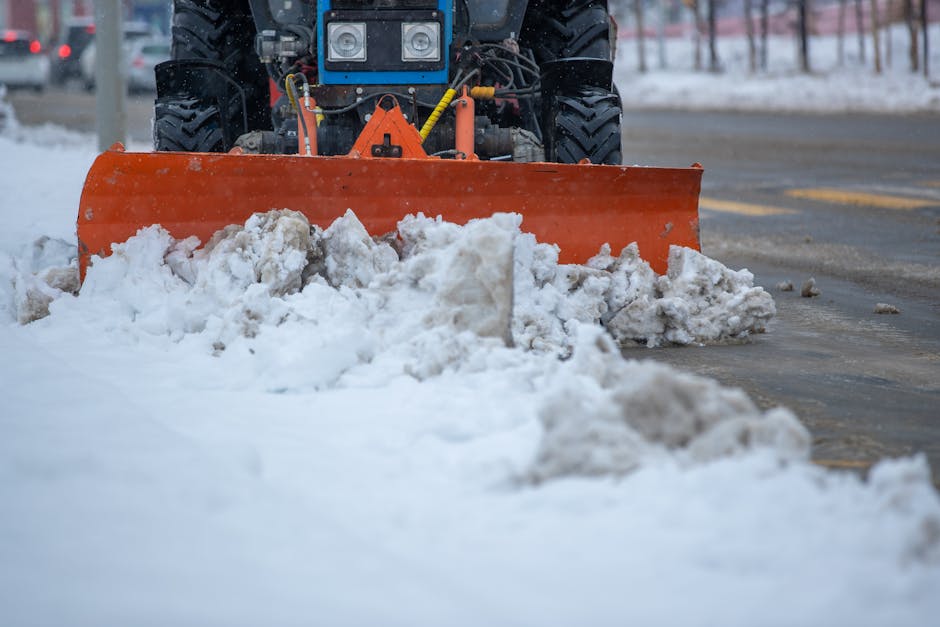
Winter moving days can be calm, efficient and even strangely satisfying - or they can turn into that soggy, slippy, half-frozen scramble nobody wants to remember. If you are planning a winter removals Harrow 2027 bad weather checklist, the smart move is to prepare for the weather before it decides your moving day for you. Harrow in winter can bring rain, frost, wind, black ice, and the sort of early dusk that makes everything feel more complicated than it should be.
This guide walks you through what to check, what to pack, what to protect, and what to ask for so your move stays safe and manageable. Whether you are moving a flat, a family home, or a business premises, the same principle applies: reduce risk, keep the essentials accessible, and make the day easier on everyone involved. Truth be told, a good winter checklist saves more stress than most people expect.
Why Winter removals Harrow 2027 bad weather checklist Matters
Winter removals are not simply "summer removals with a coat on". The weather changes the whole rhythm of the day. Wet pavement means slower lifting. Cold hands make grip worse. Wind catches open doors. A short daylight window can compress the schedule. And if there is frost, every step outside becomes a little more deliberate. That sounds manageable, until you are carrying a wardrobe down a narrow front path with a slightly awkward turn and a damp mat underfoot.
In Harrow, winter conditions can vary a lot from one week to the next. You may wake up to drizzle, then have a hard frost by evening. That unpredictability is exactly why a checklist matters. It gives you a process, not a guess. It also helps you decide when to call in extra help, when to delay non-essential items, and when to separate the "must go today" things from the "we can wait on that" pile.
Another reason it matters: winter moves often fail for small reasons, not dramatic ones. A wet cardboard base gives way. A freezer is left unplugged too early. Shoes get ruined because the floor protection was never laid out. None of that is glamorous, but it all affects the move. The checklist keeps those little failures from piling up.
Expert summary: winter removals succeed when you plan for grip, light, moisture, temperature, and timing - not just transport. If those five things are under control, the rest usually follows.
For household moves, services like home moves and house removalists can be especially useful in winter because the handling, loading, and sequencing are already organised. If you are moving a business, commercial moves and office relocation services help reduce downtime and keep equipment protected from damp, cold, and awkward access points.
How Winter removals Harrow 2027 bad weather checklist Works
The checklist works by splitting a winter move into four practical phases: before the move, the morning of the move, the loading and travel stage, and the arrival/unloading stage. Each phase has its own risks. Once you know the risk, you can prepare for it. Simple enough, but that structure makes a big difference.
1. Before the move
This is where most of the value sits. You confirm the moving date, watch the forecast, clear the access routes, and decide what needs extra wrapping or moisture protection. If the weather looks poor, you also build in more time. Even 20 extra minutes can stop the day feeling frantic.
2. Morning of the move
On the day, you check paths, driveways, and pavements for ice or standing water. You keep grit or salt ready if appropriate for the property, and you make sure doorways, halls, and stairs are dry. A kettle of tea helps too, obviously, but the real win is a dry, well-lit route for everyone carrying items.
3. Loading and travel
During loading, the main job is protection. Furniture, mattresses, electronics, and boxes need to stay dry and stable. The vehicle choice matters as well. If you have a larger load, a moving truck or removal truck hire may be better than trying to squeeze everything into a smaller setup. For smaller or more flexible moves, man with van or man and van services can still work well if the load is planned properly.
4. Arrival and unloading
At the new property, the priorities are warmth, flooring protection, and rapid placement of the essentials. Winter is not the time to leave boxes wandering around the hallway for hours. Get the beds, heating basics, kettle, toiletries, and important documents sorted first. Everything else can wait. Really, it can.
If packing support would ease the pressure, take a look at packing and unpacking services. For many winter moves, that one decision removes a surprising amount of chaos.
Key Benefits and Practical Advantages
The most obvious benefit is safety. Wet, cold weather increases the chance of slips, dropped items, and damaged surfaces. But the other benefits are just as important, especially if you have limited time or a complex move.
- Less damage: Moisture protection keeps cardboard, textiles, and wood finishes in better condition.
- Better time control: A winter plan stops the day from running away from you.
- Lower stress: When people know what to do, they stop asking the same three questions every ten minutes.
- Improved access: Protected routes and cleared entrances make carrying items much easier.
- Cleaner handover: A tidy, dry property is easier to leave and easier to receive.
There is also a financial side, although it is usually indirect. Better planning can reduce avoidable damage, cut delays, and help you avoid rushed last-minute bookings. If you want clarity around budgeting, it can help to review pricing and quotes early in the process. That way you can compare options before the weather gets nasty.
For people disposing of unwanted items before the move, winter is a good time to be selective. Bulky soft furnishings, old appliances, and mixed waste should not just be left until the last day. You can explore relevant disposal services such as mattress and sofa disposal, fridge and appliance removal, and furniture pick up if those items need to go before moving day.
Who This Is For and When It Makes Sense
This checklist is useful for almost anyone moving during winter, but it is especially valuable if your property has stairs, shared access, narrow hallways, or outdoor parking. In Harrow, lots of moves involve a bit of compromise on access, and bad weather tends to magnify every inconvenience.
You will benefit most if you are:
- moving house between November and March
- dealing with rain, frost, snow, or strong winds on the forecast
- moving with children, pets, or elderly relatives
- relocating a flat with shared entrances or a long walk from the road
- moving office equipment or stock that must stay dry
- sorting out a move after a deadline, tenancy end, or work handover
It also makes sense for people who are trying to reduce the number of service calls on moving day. For example, a family might choose full packing support so the early morning is not spent scrambling for tape, labels, and the missing kettle cord. A business may use commercial moves or office relocation services to avoid disruption from damp, noise, and cold entryways.
And if you are not moving much at all but still need a few heavy items shifted in poor weather, a smaller-scale option such as man and van can sometimes be the neatest answer. No drama. No overbooking the wrong vehicle. Just the right size for the job.
Step-by-Step Guidance
Here is the most practical version of the winter removals Harrow 2027 bad weather checklist. You can adapt it to a house move, office move, or partial clearance. The order matters more than people think.
- Check the weather two to three days ahead. Look for rain, frost, wind, and temperature drops. If the forecast is unstable, plan for the worst reasonable scenario instead of the best.
- Confirm access routes. Check whether paths, steps, and parking spaces are likely to be slippery or blocked. If you are in a shared building, make sure hallways and lifts will be usable.
- Separate weather-sensitive items. Electronics, documents, fabrics, mattresses, and soft furnishings need extra protection. Keep them together so they are not forgotten in the rush.
- Pack a winter essentials box. Put in kettle, mugs, chargers, phone cables, snacks, gloves, a torch, bin bags, basic tools, toiletries, medication, and one change of clothes.
- Protect floors and doors. Use coverings where needed to stop mud and water being tracked in. This is especially useful if you are handing over a rented property.
- Load the vehicle in a sensible sequence. Put dry, sturdy items in first. Keep fragile boxes away from damp edges and heavy shifting loads.
- Keep an eye on timing. Winter daylight runs out earlier than you want it to. Start earlier if possible, and avoid squeezing the schedule too tightly.
- Unload essentials first. Beds, bedding, heating, kitchen basics, and documents should be the first things out, not the last.
- Inspect for water damage or slips. Once the move is complete, check furniture, floors, and boxes for any moisture issues so they can dry properly.
If you are also clearing out old items, it is worth planning disposal separately rather than leaving it to the final hour. Some items need specialist handling, especially waste that cannot just be bundled into a general load. For those situations, hazardous waste disposal may be relevant, and if you are curious about mixed waste rules, what can go in a skip is a useful reference point.
Expert Tips for Better Results
To be fair, most winter moving advice sounds obvious until you are standing in the rain with a box of books and a front step covered in grit. The details matter. A few small habits can make the whole day feel much smoother.
Use more wrapping than you think you need
Damp air can creep into cardboard surprisingly quickly. Add extra layers around sofas, mattresses, and anything upholstered. The same goes for corners and handles. A tiny bit of tape in the right place saves a lot of annoyance later.
Keep one person in charge of dry access
If there is one job to delegate, make it route control. Someone should be responsible for keeping the entrance clear, opening doors, warning others about wet floors, and making sure nobody carries a bulky item into a puddle by mistake.
Move the most awkward items first, while everyone is fresh
Large wardrobes, white goods, or heavy desks are harder in bad weather. Get them out early while hands are warm and concentration is high. Nobody enjoys wrestling a fridge on a dark evening, not even the most organised mover.
Prepare for "small weather delays"
A short delay at the start of the day can save a much bigger problem later. Leave a margin for scraping ice, waiting for rain to ease, or drying a stairwell. It feels slower at the time, but it is often faster overall.
Choose the right service level
Not every winter move needs the same setup. A compact one-bedroom move may be perfectly suited to man with van. A larger family move might be better handled through home moves or house removalists. Bigger stock, equipment, or multi-room office relocations may justify removal truck hire.
And honestly, a good mover will usually tell you when your plan is too tight. That kind of straight talk is helpful. Very helpful.
Common Mistakes to Avoid
Most winter moving headaches come from a few repeated mistakes. These are the ones worth dodging.
- Ignoring the forecast until the morning: By then, you are reacting instead of preparing.
- Overfilling cardboard boxes: Wet weather makes heavy boxes harder to carry and easier to collapse.
- Leaving essentials in random places: If you cannot find the kettle or chargers, the whole first night feels messier than it needs to.
- Forgetting floor protection: Mud and water spread fast, especially around entrances and stairs.
- Assuming daylight will last: Winter dusk arrives early, and the light changes fast.
- Not planning for disposal: Old furniture, broken appliances, and mixed clutter can slow the move if they are left too late.
Another common one is underestimating how cold affects people. Fingers get clumsy. People tire faster. Patience gets shorter. It happens. A hot drink break, a dry glove swap, or a five-minute reset can prevent a lot of grumbling later.
If you need to remove bulky items before the move, do it before the main day rather than adding them to an already full schedule. That is where furniture pick up and mattress and sofa disposal really earn their keep.
Tools, Resources and Recommendations
You do not need a shed full of specialist gear. A few sensible tools are enough to make a winter removal much less stressful.
- Strong gloves: Better grip, warmer hands, less fumbling.
- Non-slip footwear: Choose something with proper tread. Smooth soles are a poor joke in frost.
- Torches or bright handheld lights: Handy for stairwells, side paths, and dark corners.
- Dust sheets and floor coverings: Good for keeping mud off floors and preventing scratches.
- Plenty of tape and waterproof wrapping: Use more than you expect. Winter always seems to need extra.
- Labels and markers: Faster unloading, less box confusion, better room placement.
- Basic toolkit: Allen keys, screwdrivers, and a small knife for fast disassembly and tape cutting.
If you are looking for confidence around provider standards, review the company's public information pages such as insurance and safety, health and safety policy, and about us. Those pages are useful because they help you understand the service mindset before you book.
For payment reassurance, it can also help to check payment and security. For sustainability-minded moves, recycling and sustainability is worth a look, especially if you are sorting items that should not go straight into general waste. Small decisions add up.
Law, Compliance, Standards, or Best Practice
Winter removals are mostly a practical planning issue, but there are still compliance and best-practice points to keep in mind. If you are moving household goods, office stock, appliances, or waste, you should treat disposal and handling carefully. In the UK, it is wise to separate reusable items, recyclable materials, and anything that may require specialist treatment. You do not need to become a compliance expert overnight, but you do need to avoid casual disposal decisions.
For example, fridges, appliances, and some bulky items may have handling considerations. Hazardous or potentially harmful waste should not be mixed into general removal loads. If you are unsure, ask before moving day. Better a boring question now than a messy problem later.
Best practice also means protecting people and property. That usually includes safe lifting, dry walkways where possible, clear communication between movers and clients, and sensible vehicle loading. If a provider publishes an insurance or health and safety statement, that is a good sign they are thinking about the job in a structured way.
For business moves, there is also the issue of continuity. Offices often need files, equipment, and confidential material handled in a way that reduces disruption. If papers or records are being removed, confidential shredding may be relevant. It is one of those unglamorous jobs that can save a lot of admin pain.
Options, Methods, or Comparison Table
Not every move needs the same winter strategy. Here is a simple comparison to help you choose the right approach.
| Approach | Best for | Strengths in bad weather | Watch-outs |
|---|---|---|---|
| Man and van | Smaller loads, flexible timing | Quick to organise, good for compact moves | Can be tight on space if you overpack |
| Home move service | Typical household moves | Structured loading, more support for a full move | Needs clear access planning and timing |
| House removalists | Heavier or more complex home relocations | Better coordination, easier handling of large furniture | May still require weather-proof prep from the client |
| Removal truck hire | Larger or mixed loads | Space for protective loading and fewer trips | Needs careful parking and access arrangements |
| Office relocation services | Business or multi-room office moves | Better for minimising disruption and protecting equipment | Requires strong planning around downtime and access |
If you are unsure which route fits, start with the size and sensitivity of the load. A few boxes and a sofa? Keep it simple. A full family home with white goods and rain in the forecast? You probably want a more structured option. And if the move includes a mix of disposal, transport, and packing, it is often smarter to combine services rather than juggling everything separately.
Case Study or Real-World Example
Here is a realistic example based on the sort of winter move people in Harrow often face.
A couple moving from a second-floor flat in mid-January had a forecast of cold rain, with a chance of frost overnight. Nothing dramatic, just miserable enough to complicate the day. Instead of leaving everything to the morning, they packed a winter essentials box, protected the hallway floor, pre-wrapped their mattress, and split items into three groups: essentials, furniture, and items to clear out. They also arranged a separate removal for an old sofa that was not worth taking to the new place.
On the day, the route from the flat to the van was kept clear and dry as much as possible. Boxes were labelled by room, and the heaviest items were loaded first while everyone still had energy. There was a brief delay when the side path became slick, but because the plan already allowed a time buffer, it did not throw the move off. By early evening, the key rooms were set up, the kettle was out, and the pair were not staring at a mountain of boxes wondering where to start.
That is the quiet win of a winter checklist. Not perfection. Just less chaos, less damage, and a much easier first night.
Practical Checklist
Use this as your working winter removals Harrow 2027 bad weather checklist. You can copy it into your notes and tick it off as you go.
- Check the weather forecast 48 to 72 hours before moving day
- Confirm collection and delivery addresses, access, parking, and entrance details
- Set aside a weather-sensitive items pile for extra wrapping
- Pack a winter essentials box with chargers, kettle, snacks, gloves, torch, tools, and basic toiletries
- Protect floors, stairs, and door thresholds from wet feet and mud
- Make sure boxes are not overfilled or too heavy to carry safely
- Prepare waterproof covers or extra wrapping for mattresses, sofas, and fabric items
- Separate anything for disposal, recycling, or specialist removal
- Decide which items must be unloaded first at the new property
- Leave extra time in the schedule for weather-related delay
- Check your route for ice, standing water, or poor lighting
- Keep important documents and valuables with you, not in the van load
- Confirm the vehicle size and service level match the load
- Recheck the new property for damp, cold entry points, or slippery surfaces before unloading
- Take a final walkthrough for missed items before leaving the old property
Practical takeaway: if you do nothing else, protect the access route, protect the essentials, and build in time. That alone makes winter removals far less stressful.
Conclusion
Winter removals are absolutely manageable, even in nasty weather, as long as you plan for the conditions rather than hoping they stay kind. In Harrow, that means thinking ahead about moisture, access, timing, and the way cold weather changes how people move and carry. A good checklist turns a tricky day into a structured one, and that is half the battle won.
If you are moving in winter 2027, the smartest approach is to book the right level of support early, sort out anything to be removed or recycled ahead of time, and keep the first-night essentials close to hand. Simple, really - though not always easy when boxes are everywhere and the day feels long.
Get a free quote today and see how much you can save.
And if the weather turns rough, do not panic. Slow down, stay organised, and keep the basics under control. One steady step at a time is still progress, and that counts for a lot on a winter moving day.
Frequently Asked Questions
What should be on a winter removals Harrow 2027 bad weather checklist?
Your checklist should cover weather forecasting, access routes, floor protection, waterproof wrapping, essentials packing, vehicle size, timing buffers, and unloading order. Those basics prevent most winter problems.
How far in advance should I check the weather before moving?
Ideally, start checking a few days ahead and then check again the evening before and the morning of the move. Winter forecasts can shift quickly, so a one-off glance is usually not enough.
Is it safe to move in rain or frost?
Usually yes, if the route is prepared properly and lifting is done carefully. The bigger issue is slip risk and wet damage, so dryness and grip matter more than the rain itself.
Should I delay a move if snow is forecast?
That depends on severity, timing, and access conditions. Light snow may be manageable with preparation, but significant snow or ice can make the move risky. It is worth discussing options early rather than deciding at the last minute.
What items need extra protection in winter?
Mattresses, sofas, textiles, electronics, paperwork, mirrors, and wooden furniture all benefit from extra wrapping. Anything that can absorb moisture or warp should be treated carefully.
How do I stop wet shoes and mud ruining the house?
Use floor coverings, keep mats dry, limit foot traffic through one route, and clean entrances regularly during the move. A simple controlled path makes a noticeable difference.
Do I need a bigger vehicle for winter moves?
Not always. But if the weather is poor, a vehicle with enough space to load items securely can reduce repeated trips and exposure. Larger loads often suit a moving truck or removal truck hire better than a cramped setup.
What is the best way to move fragile items in bad weather?
Wrap them well, keep them off the ground, label them clearly, and load them where they will not be crushed or dampened. It also helps to keep fragile boxes for a protected loading stage rather than leaving them in the open for long.
How do I prepare a rented property for a winter move?
Focus on leaving floors clean, entrances dry, and walls unmarked. Protect the route in and out, remove rubbish promptly, and make sure your final walkthrough is done before the weather gets worse.
Can I combine moving and disposal in one winter plan?
Yes, and that is often the better approach. Clearing unwanted items before or alongside the move reduces clutter. Services like furniture pick up, mattress and sofa disposal, and fridge and appliance removal can make the process much smoother.
What if I only have a small load but the weather is awful?
Small loads can still become awkward in bad weather. A compact service such as man and van may be enough, but you should still plan for protection, route safety, and timing. Small does not always mean simple.
Where can I check service information before booking?
It is sensible to review pages like home moves, pricing and quotes, insurance and safety, and packing and unpacking services before deciding. That gives you a clearer idea of what is included and what preparation is expected from you.