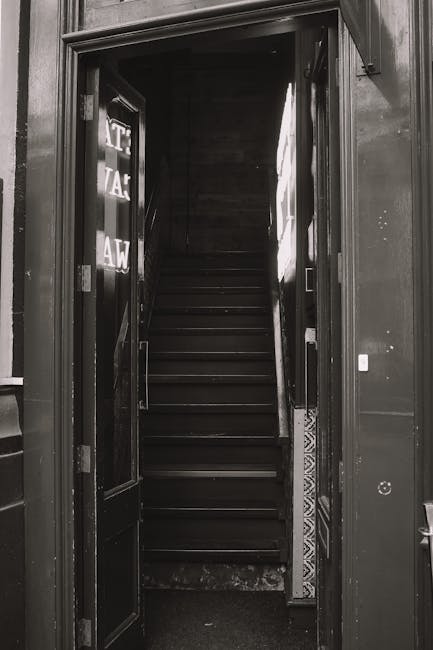
Small flat removals Pinner HA5 narrow stairs strategy: a practical guide for tight access moves
If you are moving out of a compact flat in Pinner, HA5, and the staircase feels more like a squeeze than a route, you are not alone. Small flat removals in Pinner HA5 with a narrow stairs strategy are all about planning the move around the building, not fighting it on the day. That means measuring properly, protecting walls, choosing the right load order, and knowing when a smaller van or extra handling time will save you stress later.
In a place where stairwells can be steep, awkward, or just a bit old-school, the difference between a smooth move and a frustrating one often comes down to the first 20 minutes. This guide walks you through the full process, from access checks and packing to safety, timing, and choosing the right removal method. It is written for real life, not showroom-perfect moving day fantasies.
And yes, sometimes the staircase wins if you do not respect it. Let's not give it that satisfaction.
Why Small flat removals Pinner HA5 narrow stairs strategy Matters
A small flat move can look simple on paper: a few boxes, a sofa, maybe a bed base, and a couple of appliances. Then you arrive at the stairwell and realise the route is the real job. Narrow stairs change everything. They affect what can be carried, how items are turned, how many people are needed, and whether the move takes one tidy run or becomes a slow, tiring shuffle down the steps.
In Pinner and across HA5, a lot of smaller homes sit in buildings where access was never designed for today's bulky furniture. That is not a criticism, just a fact of older housing stock. Tight turns, low ceilings, bannisters that sit just where you do not want them, and landings with limited space all create friction. A good removal strategy reduces that friction before anyone starts lifting.
This matters for three reasons. First, it protects the property. Scraped paint and cracked plaster are a nuisance, and they can create avoidable disputes. Second, it protects the items themselves, especially wardrobes, sofas, mirrors, and white goods. Third, it protects the people doing the lifting. A rushed carry on a cramped staircase is exactly how small jobs become painful ones.
Truth be told, the best small flat removals often look boring from the outside. Calm. Measured. A bit uneventful. That is usually a very good sign.
Expert summary: For narrow-stair removals, success comes from planning the route, reducing item size where possible, protecting surfaces, and loading in the right order. The move should fit the building, not the other way round.
How Small flat removals Pinner HA5 narrow stairs strategy Works
The strategy is straightforward in concept, but it needs detail to work well. You start by mapping the access. That means looking at the stair width, the turning space on each landing, the height of the ceiling, any low light fittings, where the banister narrows the route, and whether items need to be tilted or carried at an angle. One measurement missed here can change the whole plan.
Next comes load design. Not every item should travel assembled. In a tight flat, it is often better to dismantle a bed frame, remove table legs, empty drawers, and split lighter loads across multiple boxes. Heavy items are not always the problem; awkward items usually are. A mattress may be easier than a recliner chair. A desk with fixed legs can be more troublesome than a heavier but compact cabinet.
Then there is handling technique. On narrow stairs, two movers may need to work in a staggered rhythm, pausing on landings and adjusting the angle of the item. Sometimes a "nose first" carry works, sometimes a side-on carry is safer. There is no magic move. It is about choosing the safest line through the stairwell and keeping communication clear. A quick "hold there" or "tilt left" can stop a knock, a scrape, or an ugly wobble.
Finally, the vehicle plan needs to match the property. A small flat move does not always mean a tiny van, but it does mean using the right size of vehicle for the road, parking, and loading pattern. In congested residential streets, especially where parking is tight, efficient loading matters. Fewer trips usually mean a smoother day, provided the route from flat to van is safe and realistic.
You may also need to think about what is leaving the property and what is not. If the move includes old appliances, a mattress, or a sofa you no longer want, it can be worth planning disposal at the same time. Services like mattress and sofa disposal or fridge and appliance removal can help you simplify the day instead of moving things twice.
Key Benefits and Practical Advantages
The main benefit of a narrow stairs strategy is control. When the access plan is clear, the move feels manageable instead of chaotic. That control shows up in several practical ways.
- Less risk of damage: careful turning, padding, and route planning reduce contact with walls, banisters, and doors.
- Faster loading: once the movers know the route, they can work with confidence and avoid repeated stops.
- Lower physical strain: proper handling reduces the chance of awkward lifting and last-minute improvisation.
- Better protection for furniture: dismantling and wrapping items makes them easier to carry and less likely to get chipped.
- More predictable timing: if you know in advance which pieces will need extra care, the day is less likely to overrun.
There is also a quieter benefit that people often underestimate: peace of mind. Moving day can feel oddly personal. Your hallway is full of boxes, the kettle is somewhere under a pile of tape, and somebody is asking where the screws went. A good plan cuts through that mess.
For landlords, tenants, and homeowners alike, another advantage is that it helps you decide whether you really need a full-scale removal or whether a smaller, more flexible service is enough. Sometimes a small flat move only needs the big stuff handled, while you move a few bags yourself. That can make a surprising difference to budget and time.
Who This Is For and When It Makes Sense
This approach is especially useful if you live in a flat with one or more of these features:
- steep or tight internal stairs
- small landings with limited turning space
- older stairwells with narrow bannisters
- shared entrances where careful access matters
- upper-floor flats with no lift
- rooms packed with furniture that has not been dismantled yet
It also makes sense if you are moving a modest number of items but still have awkward access. A lot of people assume "small flat" automatically means "easy move". Not really. A studio with a curved staircase can be trickier than a two-bed with a straight stairwell and decent landing space.
This strategy is for you if you want to:
- avoid damaging a rented property and risking deposit issues
- keep the move physically safe for everyone involved
- save time by preparing the route properly
- move on a schedule without unnecessary disruption
- combine removals with disposal or recycling of unwanted items
If you are still in the decision stage, it can help to speak to a provider that is transparent about access and pricing. A page like pricing and quotes is a sensible place to start if you want to understand what affects the cost before you commit.
Step-by-Step Guidance
1. Measure the access properly
Start with the staircase itself. Measure the width at the narrowest point, note the turning area on the landings, and check any low ceilings or overhead fittings. Look at door widths too, because the route does not begin at the stairs. It begins the moment an item leaves the room.
2. Identify awkward items early
List the pieces that may cause trouble: sofas, wardrobes, bed frames, mattress sizes, white goods, mirror-fronted furniture, and tall shelving. If something is bulky but light, that is still a problem. Bulky is the enemy here more often than heavy.
3. Decide what should be dismantled
Take apart anything that will move more safely in pieces. Beds, tables, and flat-pack furniture often benefit from disassembly. Keep screws, bolts, and fittings in labelled bags. One small bag can save twenty minutes of grumbling later. Not glamorous, but very handy.
4. Protect the stairwell and entry points
Use covers or padding where contact is likely. Focus on bannisters, corners, door frames, and the first bend in the staircase. A couple of careful wraps can prevent damage that is much more expensive to repair than it is to prevent.
5. Pack with the stairs in mind
Pack medium-sized boxes rather than creating a few heroic boxes that nobody wants to lift. Keep the weight balanced. Fragile items should be cushioned, but not overfilled. You want boxes that stack and carry cleanly, not boxes that bulge like they are about to start a family.
6. Load in the right order
Load the van so the heaviest and least awkward items go in first, followed by medium-sized pieces, then boxes that can fill the gaps. The route from the flat to the van matters too. If the stairwell is narrow, it may be better to move one category of item at a time rather than creating a mixed-flow bottleneck.
7. Leave a clear path for the day
On move day, keep hallways clear, hold doors open where appropriate, and avoid leaving loose bags or pets in the route. It sounds obvious, but clutter is how careful plans become frustrating plans. A clear route keeps everyone calmer. And calmer means safer.
8. Do a final walk-through
Before the last item leaves, check cupboards, loft access, storage nooks, under beds, and behind doors. Small flats have a habit of hiding things in very plain sight. Keys, chargers, remotes, screws, and that one important document you were sure you put somewhere obvious... yes, all of it.
Expert Tips for Better Results
Small access jobs are won by little details, not dramatic effort. Here are the practical habits that tend to make the biggest difference.
- Take photos of awkward points in advance. A quick picture of the stair bend or landing helps people plan the carry before arriving.
- Use shorter boxes for books. Deep boxes full of books are a classic moving-day mistake and, honestly, a bit of a trap.
- Remove doors only if needed. Sometimes it helps, sometimes it adds risk. Use judgement, not instinct alone.
- Keep one person focused on navigation. Too many voices in a narrow staircase creates confusion. One clear lead is enough.
- Wrap sharp edges and corners. Bed frames, shelving, and table legs are often the bits that cause damage.
- Set aside essentials early. Medications, chargers, documents, and one change of clothes should not disappear into the van.
Another useful tip: if the move includes items you no longer want, do not wait until the last minute to decide. A slimline move is easier when you have already cleared out the extras. Recycling unwanted furniture and waste responsibly can also reduce clutter at the point where the stairwell is already under pressure. If that matters to you, the company's recycling and sustainability information is worth a look.
And one more thing. Keep tea out of the way until the heavy lifting is done. Spills on the landing are just annoying, and nobody needs an avoidable slapstick moment at 9:15 in the morning.
Common Mistakes to Avoid
The biggest mistakes are usually not dramatic. They are small planning misses that snowball on the day.
Underestimating the staircase
People often assume the item will "just fit if we angle it". Sometimes it will. Sometimes it will not, and the item ends up wedged halfway up the stairs with everyone pretending not to panic. Measure first.
Leaving dismantling too late
If the bed frame still has to be taken apart when the movers arrive, you lose momentum. Worse, the parts might be scattered across the flat while everyone waits. Do dismantling before the pressure starts.
Packing boxes that are too heavy
That is a proper classic. Books, kitchenware, and tools can quietly turn a small box into a back problem. Keep weight manageable, even if it means more boxes.
Forgetting surface protection
Scratches happen fast on narrow stairs because the space is tight and movement is repeated. Protect the likely touchpoints before anything moves.
Not planning disposal separately
If you mix removal and disposal without deciding what stays and what goes, the move can drag. Sometimes the easiest route is to remove the furniture you are keeping, and deal with the old items through a dedicated disposal service later. If you have electrical waste or heavier appliances, a separate plan can be even more sensible.
Ignoring timing and access windows
In flats, timing matters. Shared entrances, parking, and neighbours can all affect how smoothly the job goes. A move that starts calmly tends to stay calm. That first ten minutes really does set the tone.
Tools, Resources and Recommendations
You do not need a warehouse of gear, but the right basics make a narrow-stair move much easier.
| Tool or item | Why it helps | Best used for |
|---|---|---|
| Furniture blankets | Protects corners, surfaces, and bannisters from knocks | Sofas, tables, wardrobes, frames |
| Ratchet straps | Keeps loads stable in the van | Transporting larger or uneven items |
| Hand trolley or sack truck | Reduces carrying where steps or level routes allow | Boxes, appliances, compact furniture |
| Zip bags and labels | Keeps fixings organised during dismantling | Beds, shelves, flat-pack furniture |
| Gloves with grip | Improves handling and control | General loading and carrying |
| Door protectors and padding | Helps avoid paint chips and scuffs | Entrance points and stair corners |
For service planning, a reliable move often starts with the basics: clear communication, confirmed access details, and a realistic schedule. If you are booking a removals service, the online booking option can be a practical next step once you know your date and access needs. For anything involving fragile disposal, sensitive items, or items with special handling, it is worth checking the company's relevant service pages first rather than guessing.
If you have paperwork, old letters, or files that need secure disposal as part of a downsizing move, confidential handling may also be relevant. Small flats often collect more documents than people expect, especially when cupboards are full and time is short. For that, confidential shredding can be a sensible add-on.
Law, Compliance, Standards, or Best Practice
For most small flat removals, the key compliance points are practical rather than complicated. The main thing is to handle goods, waste, and access safely, and to avoid leaving the customer with a mess or an unsafe route.
In the UK, waste must be managed responsibly, especially if items are being disposed of rather than moved to a new home. That includes separating general waste from electrical items, mattresses, appliances, and anything that may require specific handling. If a move includes old furniture or appliances, it is wise to check the relevant disposal guidance before the day itself. For example, some items may be suitable for removal and recycling, while others need particular treatment.
It is also good practice to confirm how the service handles insurance and safety. That matters when staircases are tight, because the risk of accidental damage rises if the plan is poor. A trustworthy provider should be able to explain how they work, what they cover, and how they manage access challenges. If you want to understand that side more clearly, the page on insurance and safety is a sensible place to read before booking.
Health and safety should not be treated like boring admin. It is what keeps the move calm and controlled. Reasonable things like clear lifting roles, sensible box weights, non-slip footwear, and route checks make a real difference. You do not need drama. You need care.
If something is hazardous, sharp, leaking, or otherwise awkward, do not leave it to improvisation. Use proper disposal channels and make sure the service knows in advance. That may sound obvious, but you would be surprised how often a move day reveals one mysterious item nobody wants to pick up by accident.
Options, Methods, or Comparison Table
There is more than one way to handle a small flat move with narrow stairs. The best option depends on the amount of furniture, the access, and whether you are also clearing unwanted items.
| Method | Best for | Pros | Watch out for |
|---|---|---|---|
| Full-service small removals | Most compact flat moves with mixed furniture | Less stress, better coordination, cleaner access planning | Needs accurate pre-move information |
| Self-managed move with hired help | Very small loads and flexible schedules | Can be cost-conscious | You carry more responsibility for access, protection, and timing |
| Removal plus disposal combination | People clearing old furniture or appliances too | Reduces repeat handling and clutter | Requires clear separation of keep, move, and discard items |
| Partial move | Moving only selected items from a flat | Efficient when you only need the bigger pieces handled | Needs a very clear list to avoid confusion |
In many cases, a combined approach is the most practical. For example, you might move clothes, books, and everyday items yourself, while leaving the bulky or awkward furniture to professionals. That is often the sweet spot for small flats in tight stairwells. Efficient, not overcomplicated.
Case Study or Real-World Example
Here is a realistic example. A tenant in a Pinner HA5 flat had a one-bedroom setup on an upper floor with a narrow staircase and a compact hallway. The main challenge was not the volume of items; it was the route. The sofa was manageable, but the bed frame, wardrobe, and fridge were the awkward pieces. A quick pre-move check showed the landing was tight and the stairwell turned sharply near the middle.
The strategy was simple. The bed frame was dismantled the day before, the wardrobe shelves were removed, and the fridge was handled separately. Boxes were kept small and easy to grip. The movers padded the stair corners, loaded the van in a clear sequence, and paused at the landing rather than trying to rush through the turn. The whole move felt slower than a straight-line job, but it was controlled and far less stressful.
The important bit? No damage to the walls, no strained lifting, and no awkward "we thought it would fit" moment halfway down the stairs. That is usually the win in these smaller access jobs. Not speed for speed's sake. Smoothness. A clean finish.
And sometimes that is enough to make the whole day feel far less heavy, in every sense.
Practical Checklist
Use this checklist before moving day if you are dealing with a small flat and narrow stairs.
- Measure the narrowest staircase points and the tightest turns.
- Check door widths, landings, and any low fixtures.
- Identify furniture that should be dismantled.
- Label screws, bolts, and fittings in sealed bags.
- Pack books and heavy items in smaller boxes.
- Protect walls, corners, and bannisters where contact is likely.
- Set aside essentials, documents, chargers, and keys.
- Decide what is being moved, sold, donated, or disposed of.
- Tell the mover about appliances, mattresses, or bulky items in advance.
- Confirm parking and access details for the vehicle.
- Keep hallways clear on the day.
- Do a final room-by-room check before leaving.
Quick reminder: if the access is tight, the plan should be tighter. That is the whole game.
Conclusion
Small flat removals in Pinner HA5 are rarely about brute force. They are about judgement, preparation, and respecting the building you are working in. When narrow stairs are part of the picture, the right strategy turns a stressful move into something orderly and manageable. Measure first, dismantle where needed, protect the route, and keep the load plan simple.
If you are clearing a compact flat, moving only a few key pieces, or juggling removals with disposal, a little planning now can save a lot of fuss later. That is especially true in older properties where the staircase has its own opinions. Work with it, not against it, and the day tends to go much better.
For a trustworthy next step, learn more about the team on the about us page, review the booking and support details, and make sure you understand the service terms before you go ahead. If you need a clear answer to a specific access issue, the best move is usually the simplest one: ask early, explain the stairway, and get the plan nailed down before the boxes start piling up.
Get a free quote today and see how much you can save.
Sometimes a careful move is the best kind of uneventful. You get the keys, the staircase is behind you, and the day just quietly works.
Frequently Asked Questions
What does a narrow stairs strategy mean for small flat removals?
It means planning the move around a tight staircase rather than trying to force large items through it. That usually includes measuring access, dismantling furniture, protecting surfaces, and choosing the safest carry route.
Do I need to dismantle furniture for a flat move in Pinner HA5?
Not always, but it is often wise for beds, tables, shelving, and wardrobes. If an item is awkward on turns or landings, dismantling can save time and reduce damage risk.
How do I know if my sofa will fit down narrow stairs?
Measure the sofa's longest dimensions and compare them with the staircase width, landing space, and turning points. If the stairwell has a tight bend, the sofa may need to be carried at an angle or handled by a team with experience.
Is a small flat move cheaper than a full house move?
Usually, yes, because there are fewer items and less labour involved. But access issues, like narrow stairs or difficult parking, can still affect the time needed and therefore the price.
What should I tell the removals team before moving day?
Tell them about the staircase width, number of floors, any bends or tight landings, bulky furniture, appliances, parking limits, and whether anything needs disposal or special handling.
Can I move appliances through a narrow stairwell?
Sometimes yes, but appliances can be bulky and awkward. Fridges, washing machines, and similar items often need careful planning, extra protection, and a realistic check of the available space.
What if my flat has no lift and very tight stairs?
That is exactly when a detailed access plan matters most. Keep loads small, clear the route, protect the staircase, and allow extra time so the team is not rushing.
How do I avoid damaging the walls or bannisters?
Use padding on contact points, keep movers informed about the tightest turns, and avoid carrying oversized items without first checking the route. Calm, steady movement is usually safer than speed.
Should I combine removals and disposal in the same job?
If you have old furniture, mattresses, or appliances to clear, combining the jobs can be efficient. It reduces repeated handling and helps you leave the flat clearer in one go.
What is the best way to pack for a narrow-stairs move?
Use smaller, manageable boxes, keep heavy items in shorter boxes, and label everything clearly. That makes carrying easier and reduces the chance of dropped or overfilled boxes.
How far in advance should I book a small flat removal?
As early as you can, especially if the move involves difficult access or a specific date. Earlier booking gives more time to plan the route, confirm details, and avoid last-minute surprises.
What if I am not sure whether my move needs professional help?
If you have bulky furniture, narrow stairs, limited help, or a lot of valuable items, professional help is often worth it. It is better to be realistic than to discover halfway down the stairs that the plan was a bit optimistic.